Explore tips, tricks and hacks to a more sustainable world.
What Is the Circular Economy of Food — and Why Does It Matter for Hong Kong?
You've probably heard the phrase "circular economy" tossed into sustainability conversations. It sounds like jargon. It often is. But the underlying idea is simple, important, and increasingly relevant to the way Hong Kong feeds itself.
This post unpacks what a circular economy of food actually means, why the linear system we currently run is so costly, and what a more circular alternative looks like in practice — including the small but meaningful role that food rescue apps, upcycled products, and events like Rescued Feast play in closing the loop.
The Carbon Footprint of Food: What Your Diet Really Costs
Food is responsible for 34% of global greenhouse gas emissions. That's more than all passenger transport combined — every car, train, and plane — and it's a figure most people dramatically underestimate.

Food Rescue Volunteering in Hong Kong: Where to Start
Hong Kong sends approximately 3,300 tonnes of food to landfill every single day. At the same time, Oxfam estimates more than 1.39 million people in the city were living in poverty as recently as early 2024. The gap between these two facts is the space where food rescue volunteering operates.
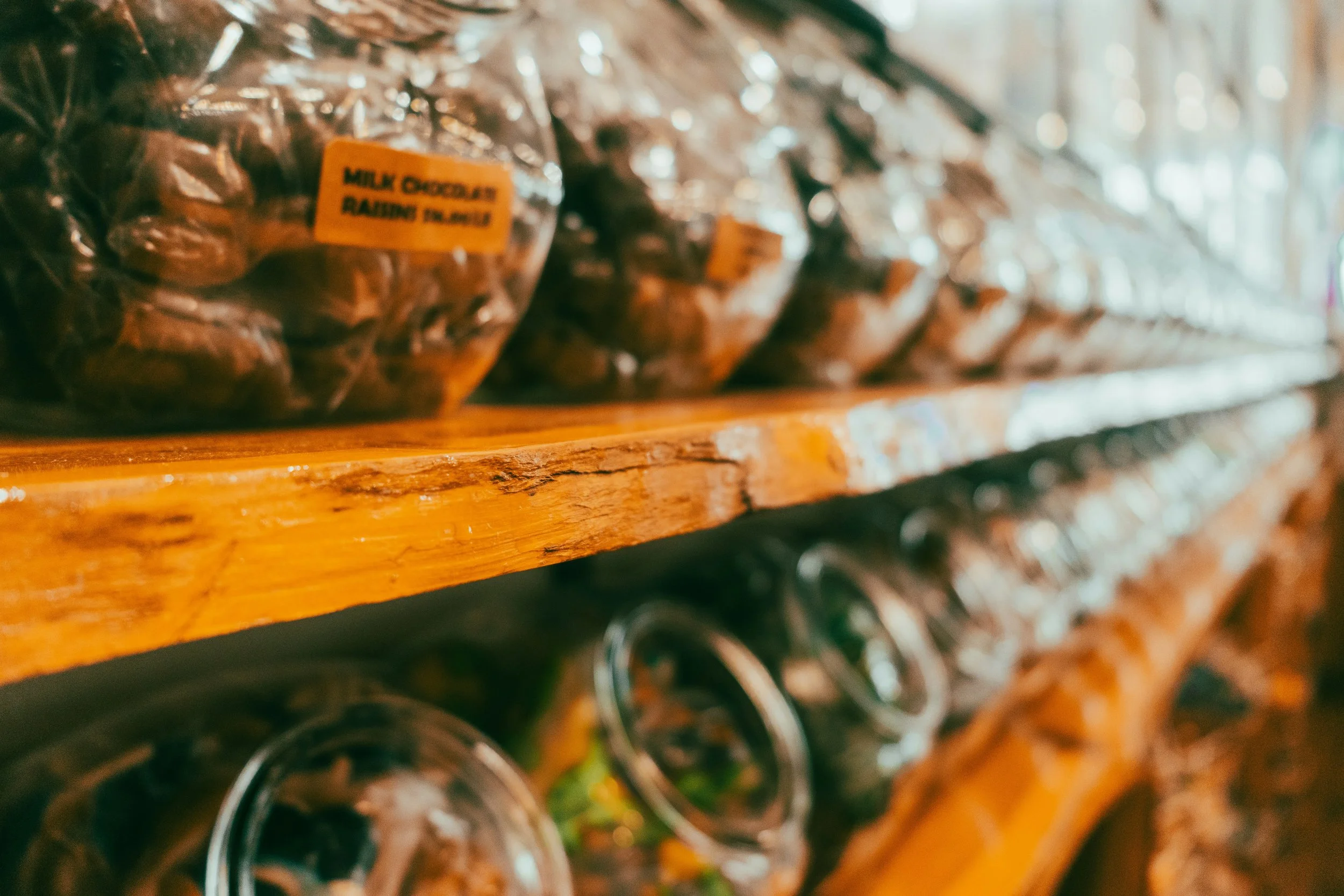
Low-Waste Grocery Shopping: A Practical Guide for Hong Kong
Most food waste is decided before you put anything in the pan. It happens in the supermarket aisle — when you buy more than you need, overbuy in bulk because the deal looks good, or pick up something on impulse that then spends two weeks wilting at the back of the fridge.
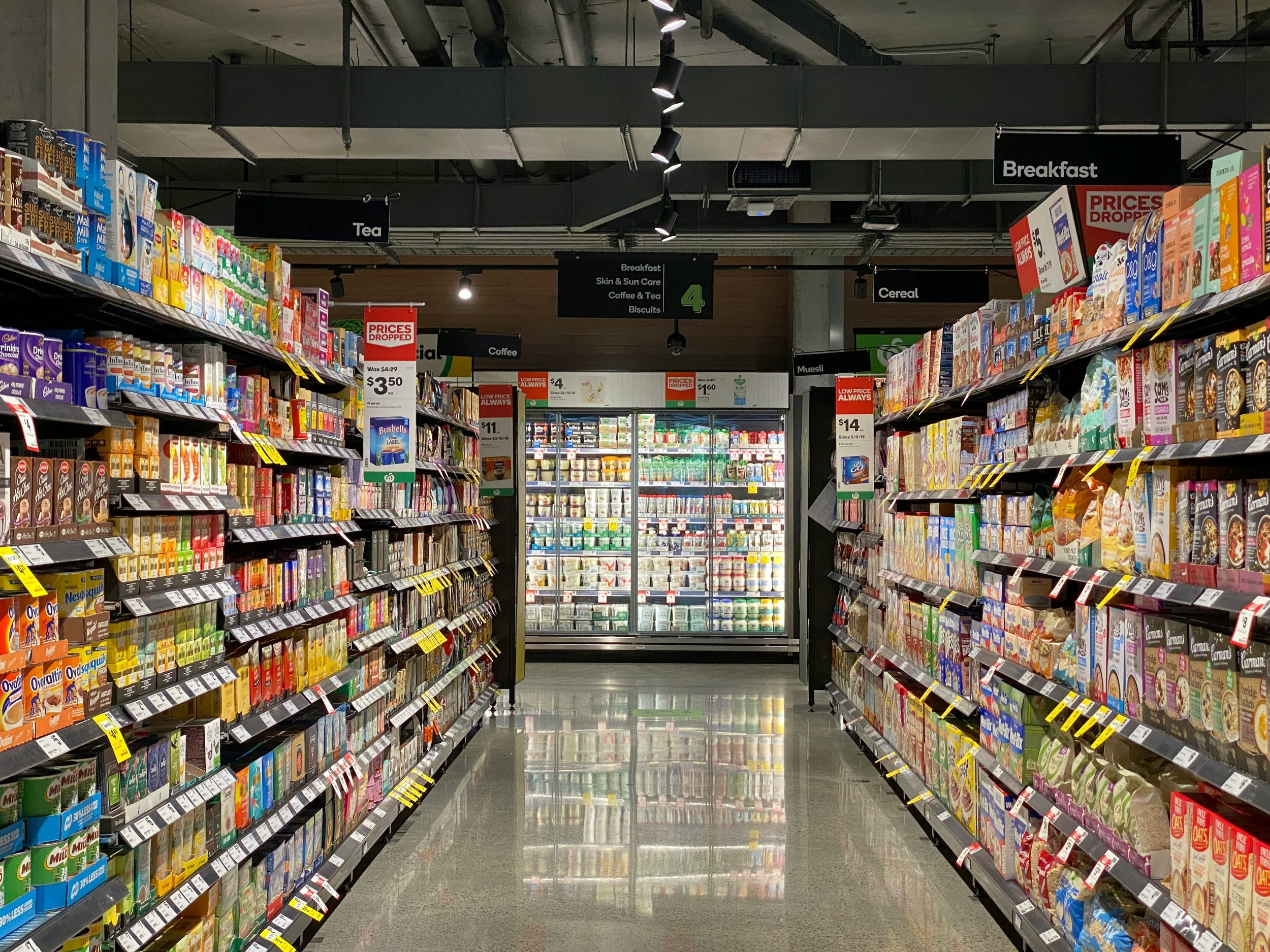
Best Before, Use By, Sell By: What Do Food Date Labels Actually Mean?
Here is a finding that should change how you shop: in Hong Kong, a YouGov poll found that 25% of residents either believe food is unsafe after its "Best Before" date — or aren't sure. That means roughly one in four people in this city is routinely throwing away perfectly edible food based on a label that has nothing to do with safety.

Inside a Rescued Feast: The HK Dinner Saving Tonnes of Food
Most sustainability events have a problem: they feel like sustainability events.
The Rescued Feast was designed to fix that. It's a dining experience — first and last — built almost entirely from rescued ingredients, prepared by some of Hong Kong's most thoughtful chefs. The footprint is dramatically smaller than a typical dinner of equivalent quality. The atmosphere is closer to a friends' dinner party than a fundraising banquet.
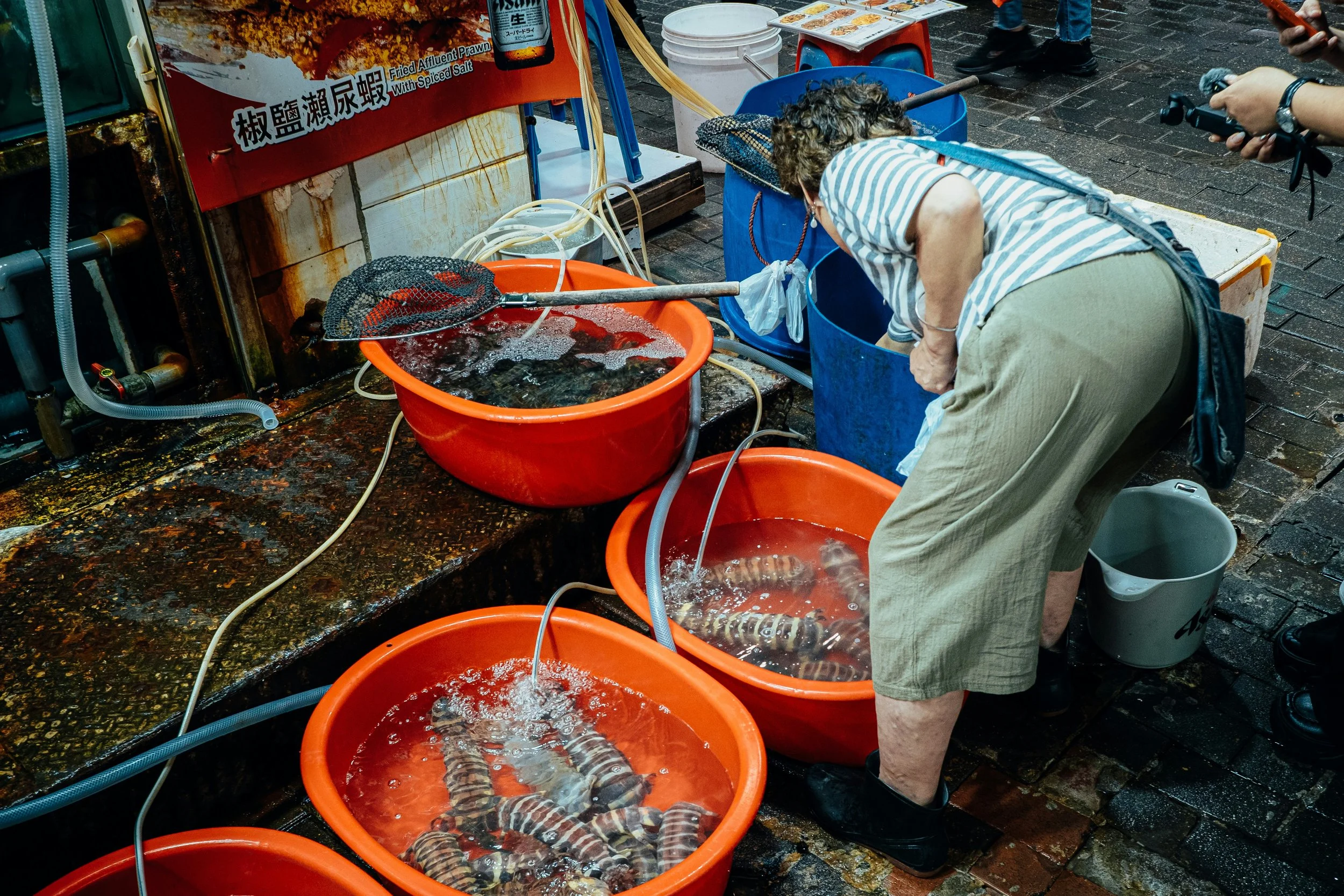
Sustainable Seafood in Hong Kong: What to Order and Why It Matters
Hong Kong is one of the world's great seafood cities. The evening wet markets, the dai pai dongs serving steamed fish with ginger and spring onion, the Cantonese ritual of choosing your meal live from a tank — seafood is woven into the fabric of daily life here in a way that's hard to overstate.
But there's a number attached to that love affair that's worth sitting with: 65 kilograms.
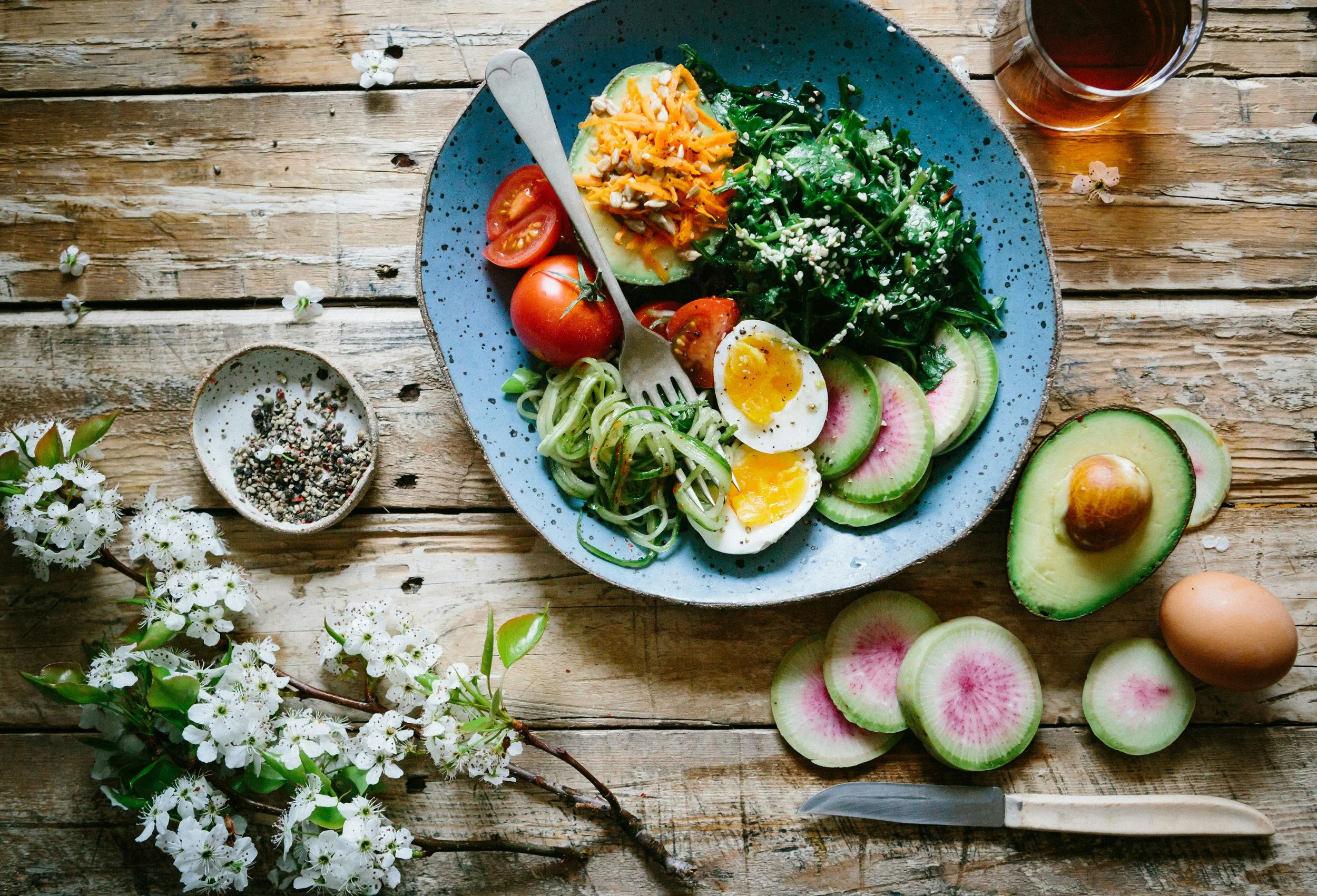
Plant-Based Hong Kong: Where the City Is Eating Now
Hong Kong has quietly become one of Asia's most interesting plant-based food markets. Per HKTDC's 2025 research, 63% of Hong Kong consumers actively seek plant-based options at least sometimes, and 47% prioritise organic foods. The category isn't niche anymore — it's mainstream, broadly normalised, and shaping menus across the price spectrum.

What Is Upcycled Food? The 2026 Trend Already on Your Plate
Of all the sustainability trends crowding the F&B headlines in 2026, upcycled food is the one quietly winning. Per Tastewise's trend tracking, it's the fastest-growing category in zero-waste food — and unlike a lot of buzzwords, it has a clean, useful definition and a real climate case behind it.
Here's what it is, why it works, and what's actually worth trying.
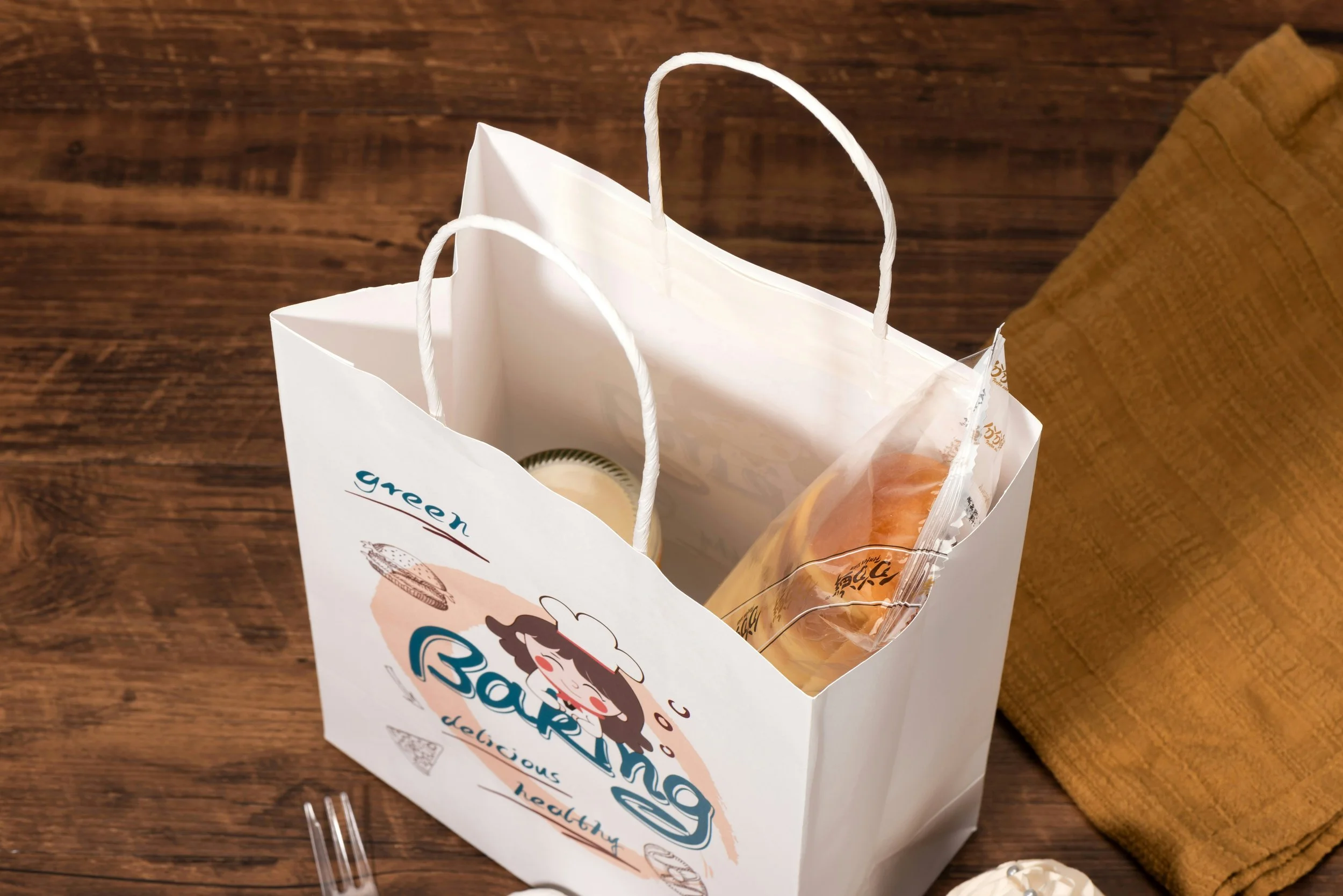
How a Food Rescue App Saves You Money and Cuts Landfill Waste
If you've heard about food rescue apps and assumed it sounded slightly too good to be true — half-price meals, climate impact, and a feel-good moment in the same transaction — here's the honest version: yes, that's broadly what's on offer, and there's a clear reason it works.
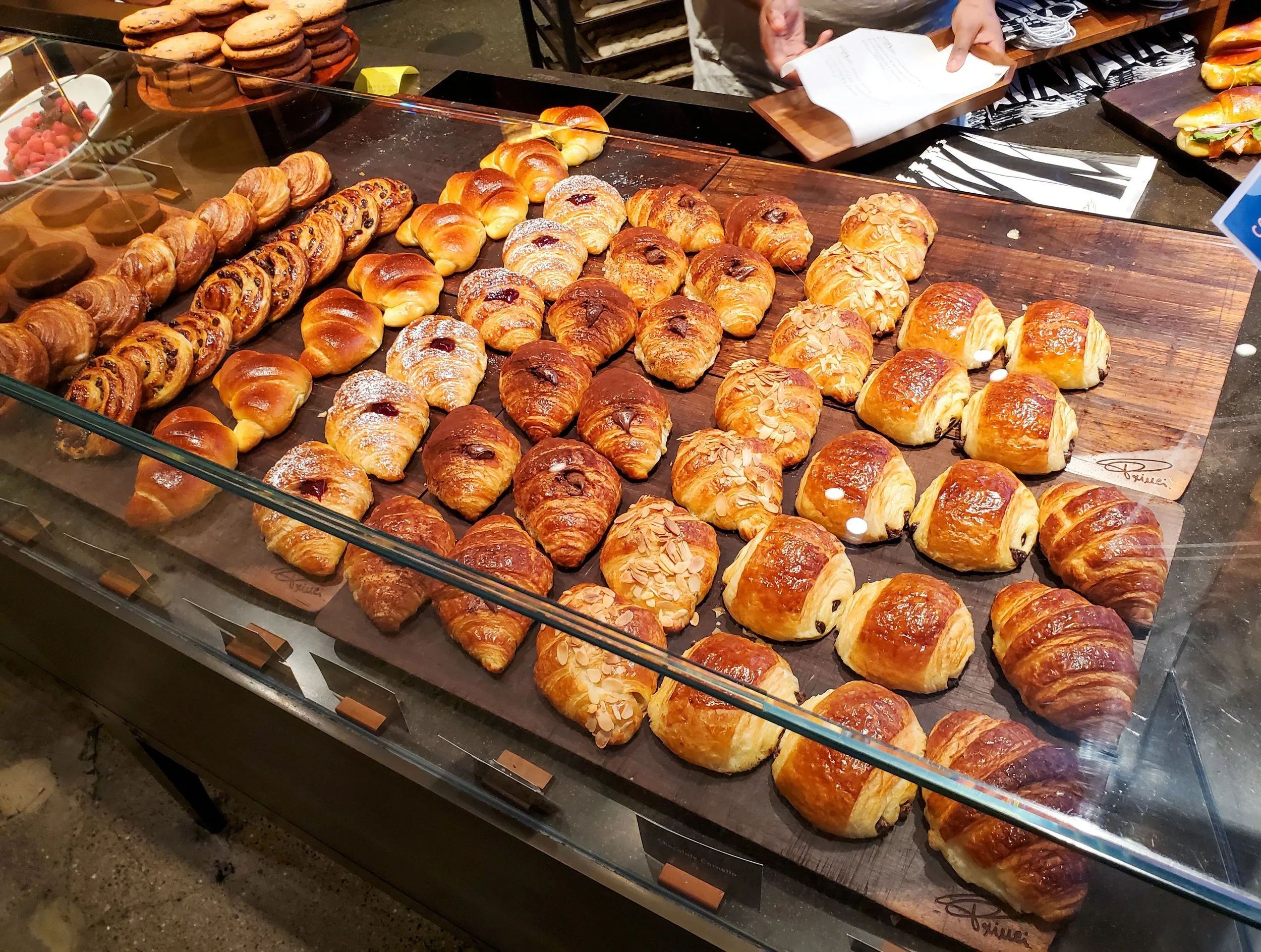
Surplus Food, Explained: Why "Leftover" Doesn't Mean "Less"
The word "leftover" does a lot of damage. It suggests something tired, picked-over, second-tier. The half-eaten plate. The thing nobody wanted.
That's not what surplus food is.
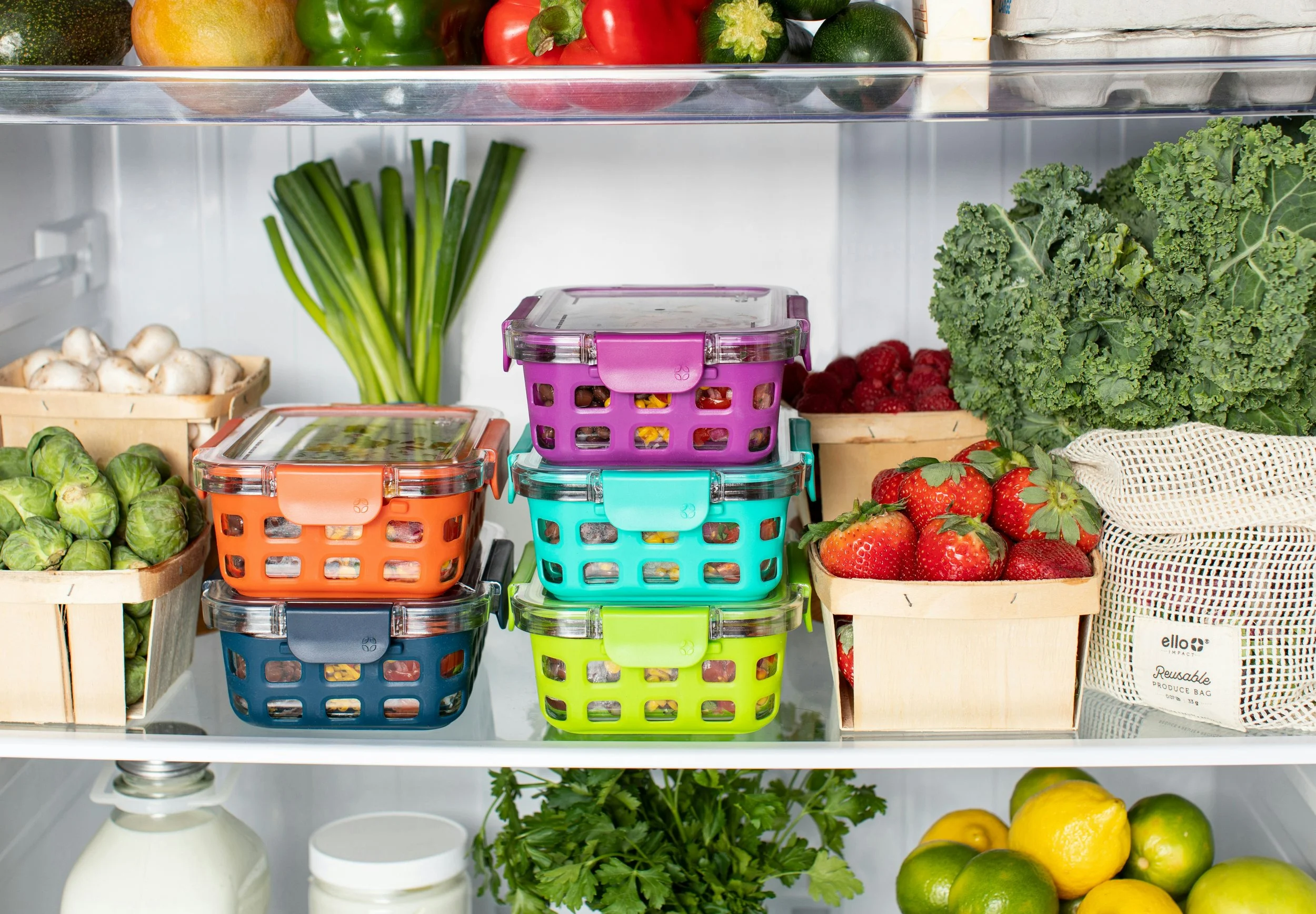
12 Simple Ways to Reduce Food Waste at Home (That Actually Stick)
Here's an uncomfortable fact: the average household throws out roughly a third of the food it buys. In Hong Kong, that works out to around 71 kilograms per person per year — and roughly HK$1,700 of food, dollar for dollar, ending up in the bin.
The good news is that most household food waste is driven by a small number of fixable habits. You don't need a composter, a vacuum sealer, or a degree in sustainability. You need twelve small changes, and they'll save you money the same week you start.
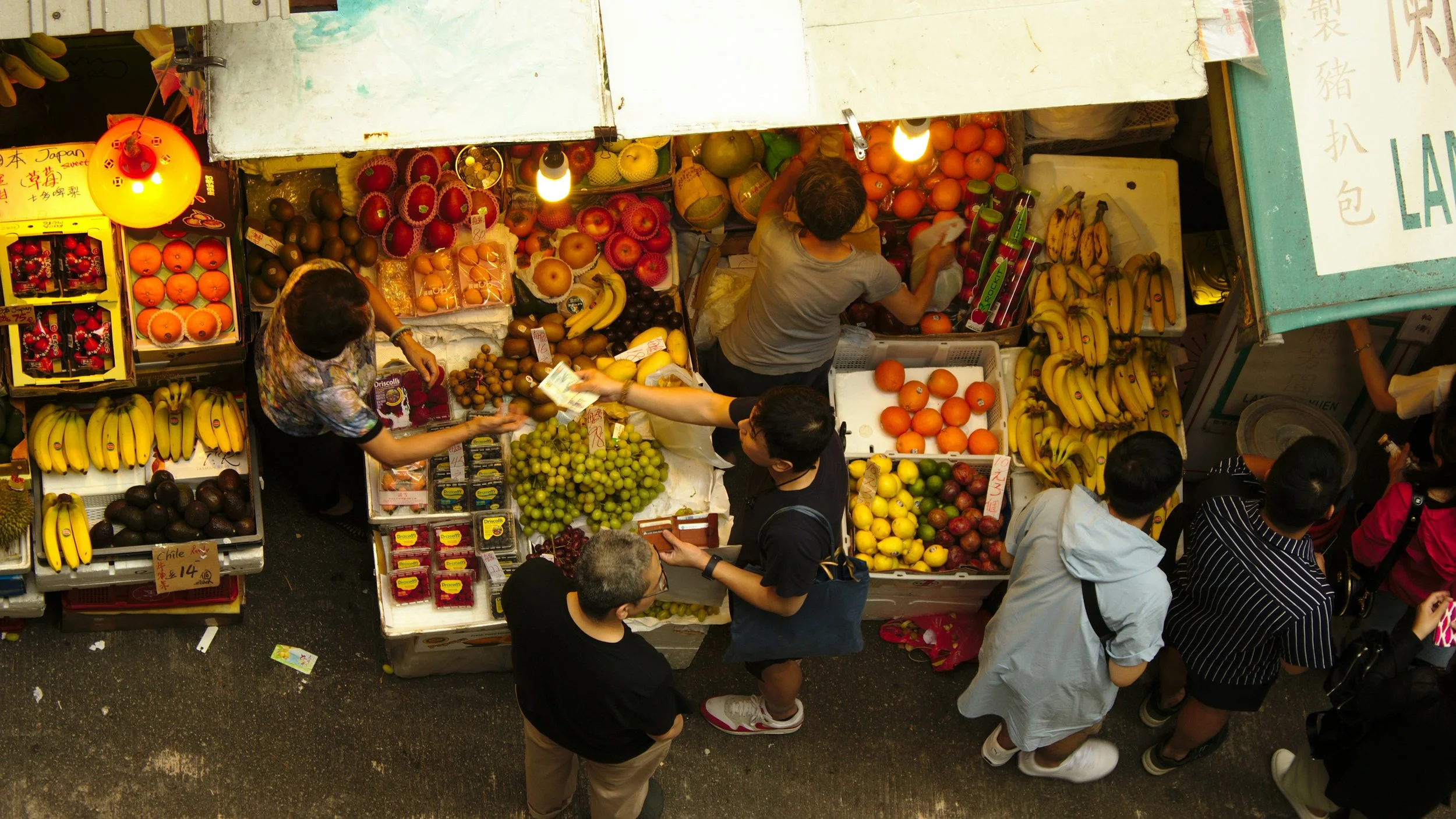
The Hidden Cost of Hong Kong's Food Waste (And What We're Doing About It)
Every single day in Hong Kong, about 3,300 tonnes of food ends up in landfill. That's the weight of more than 200 double-decker buses. It's also the largest single category of municipal solid waste the city produces — more than plastic, more than paper, more than glass.