Explore tips, tricks and hacks to a more sustainable world.
What Is the Circular Economy of Food — and Why Does It Matter for Hong Kong?
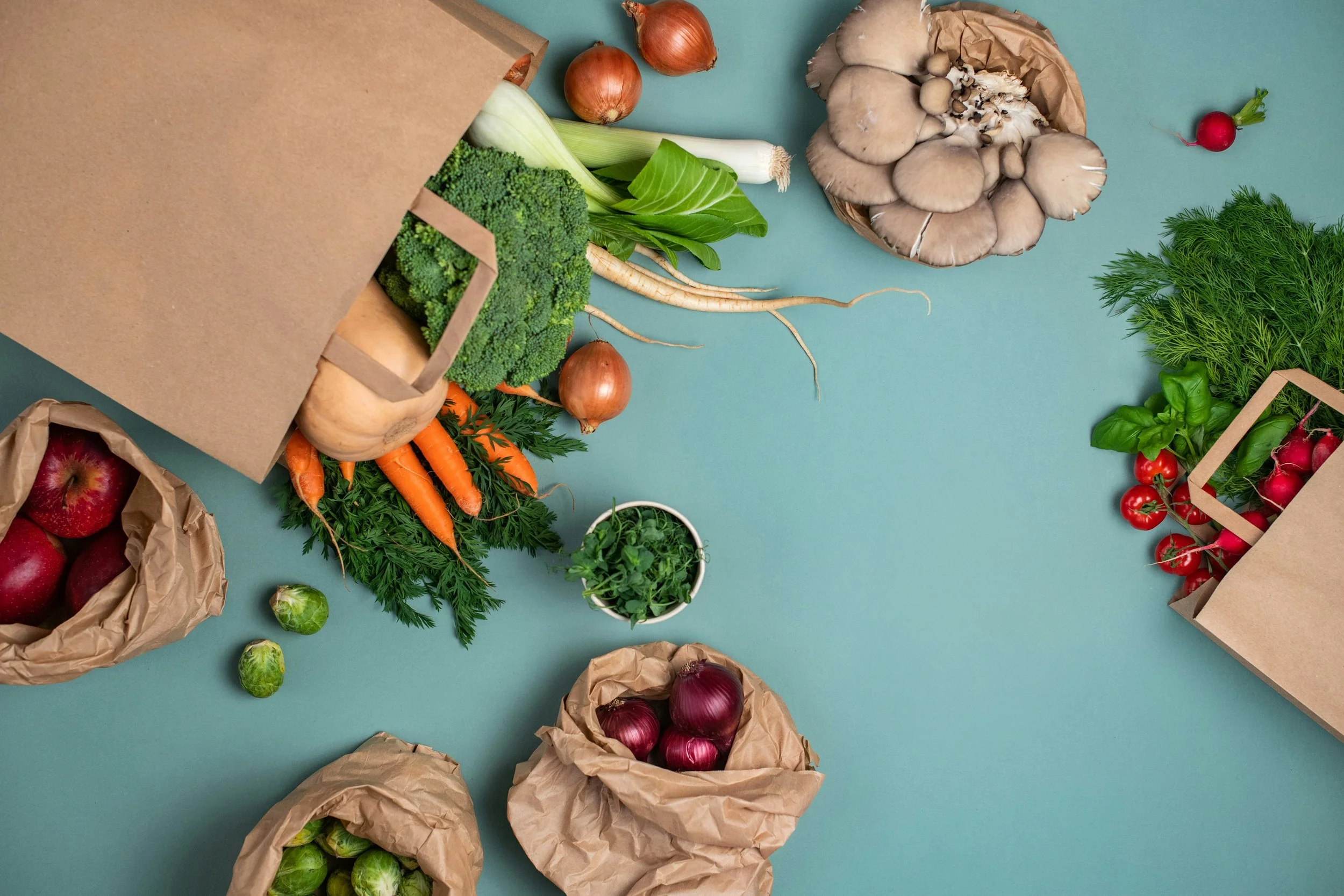
You've probably heard the phrase "circular economy" tossed into sustainability conversations. It sounds like jargon. It often is. But the underlying idea is simple, important, and increasingly relevant to the way Hong Kong feeds itself.
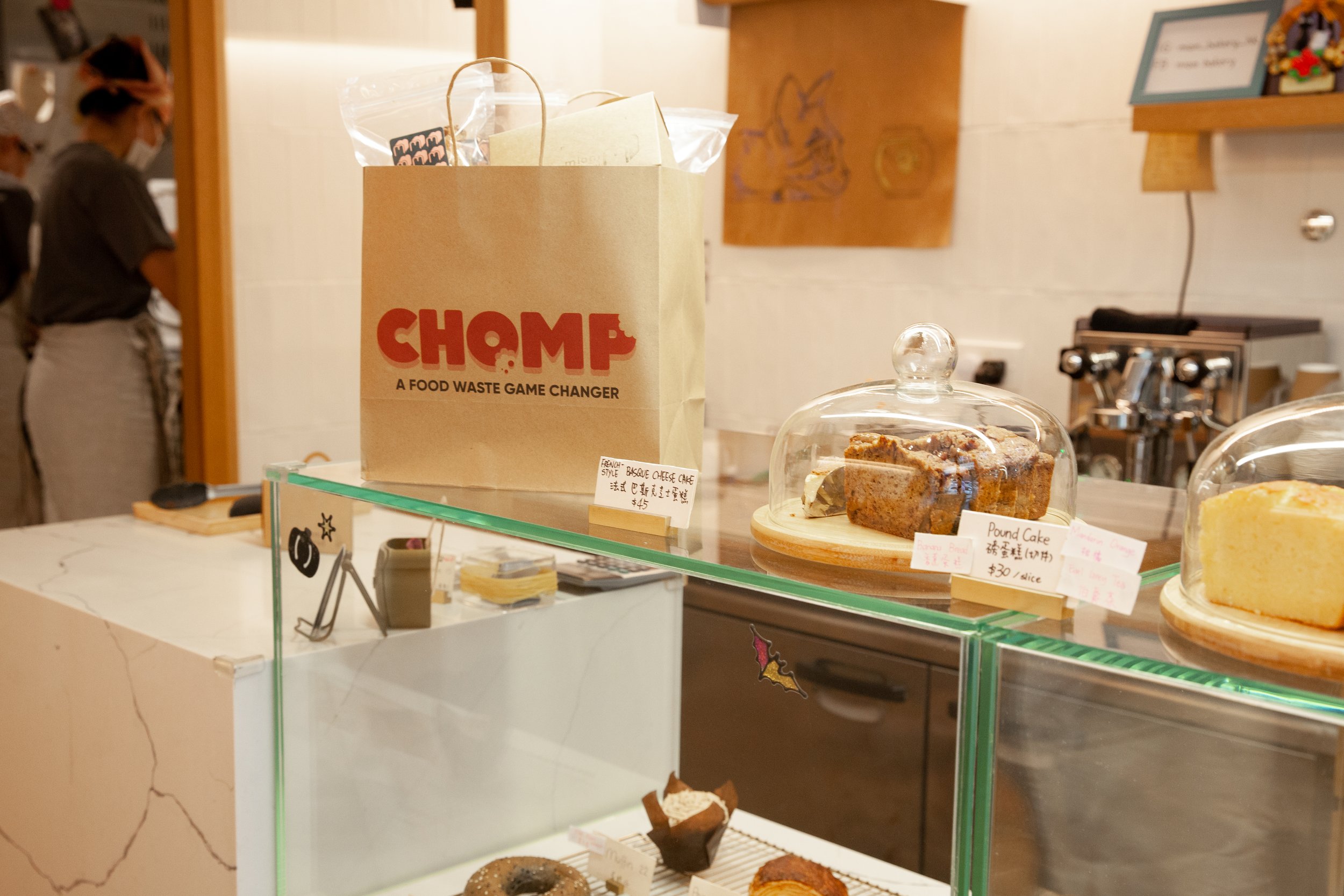
This post unpacks what a circular economy of food actually means, why the linear system we currently run is so costly, and what a more circular alternative looks like in practice — including the small but meaningful role that food rescue apps, upcycled products, and events like Rescued Feast play in closing the loop.
Zero-Waste Cooking: 10 Tips to Waste Nothing in Your Kitchen
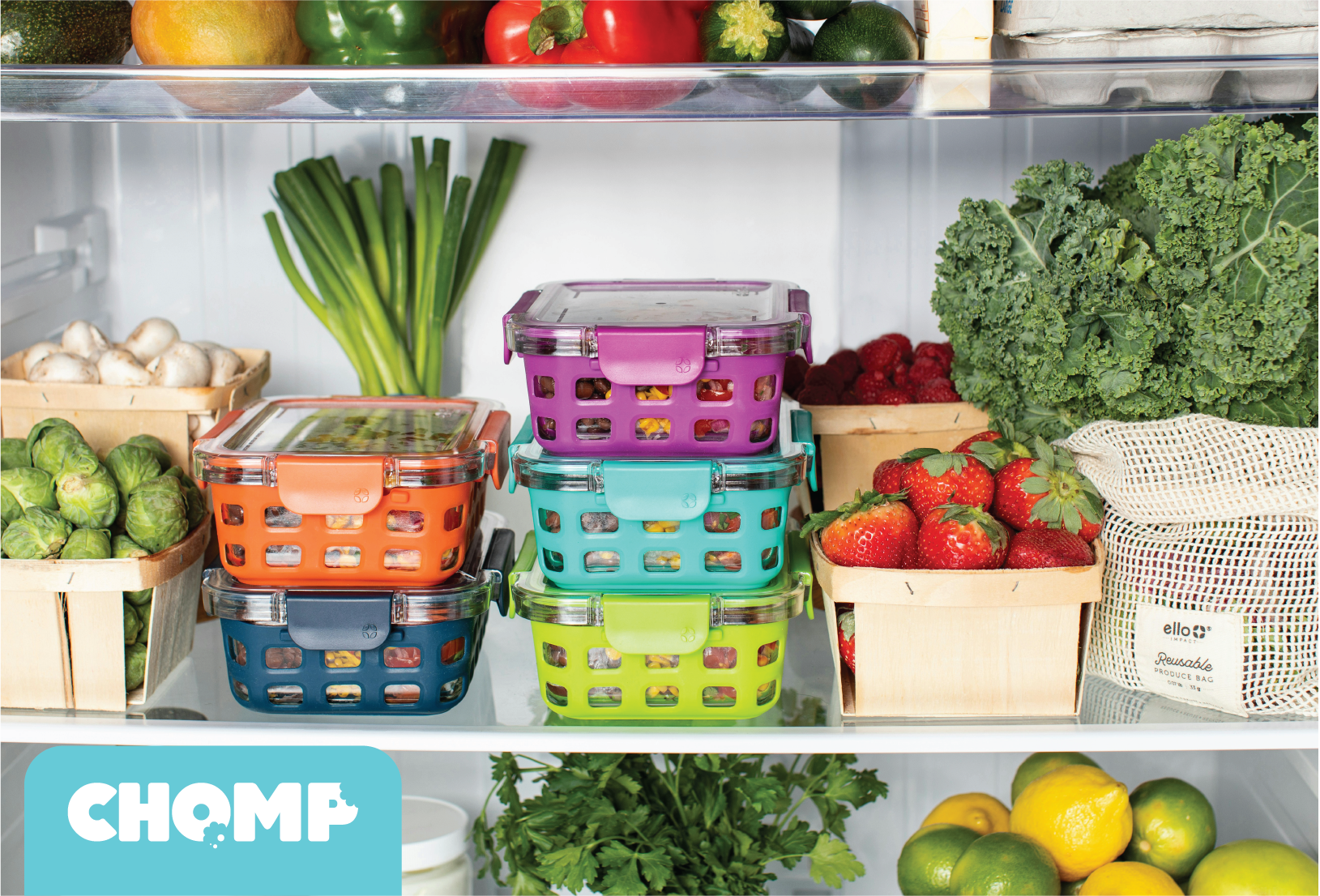
The average Hongkonger throws away 71 kg of household food waste every year - the weight of a full-grown adult. Multiply that across 7.7 million people, and more than 3,600 tonnes of food heads to landfill or the incinerator every single day. About 68% of all food waste in Hong Kong originates not from restaurants, but from home kitchens: uneaten meals, forgotten leftovers, produce that wilted before it got cooked.
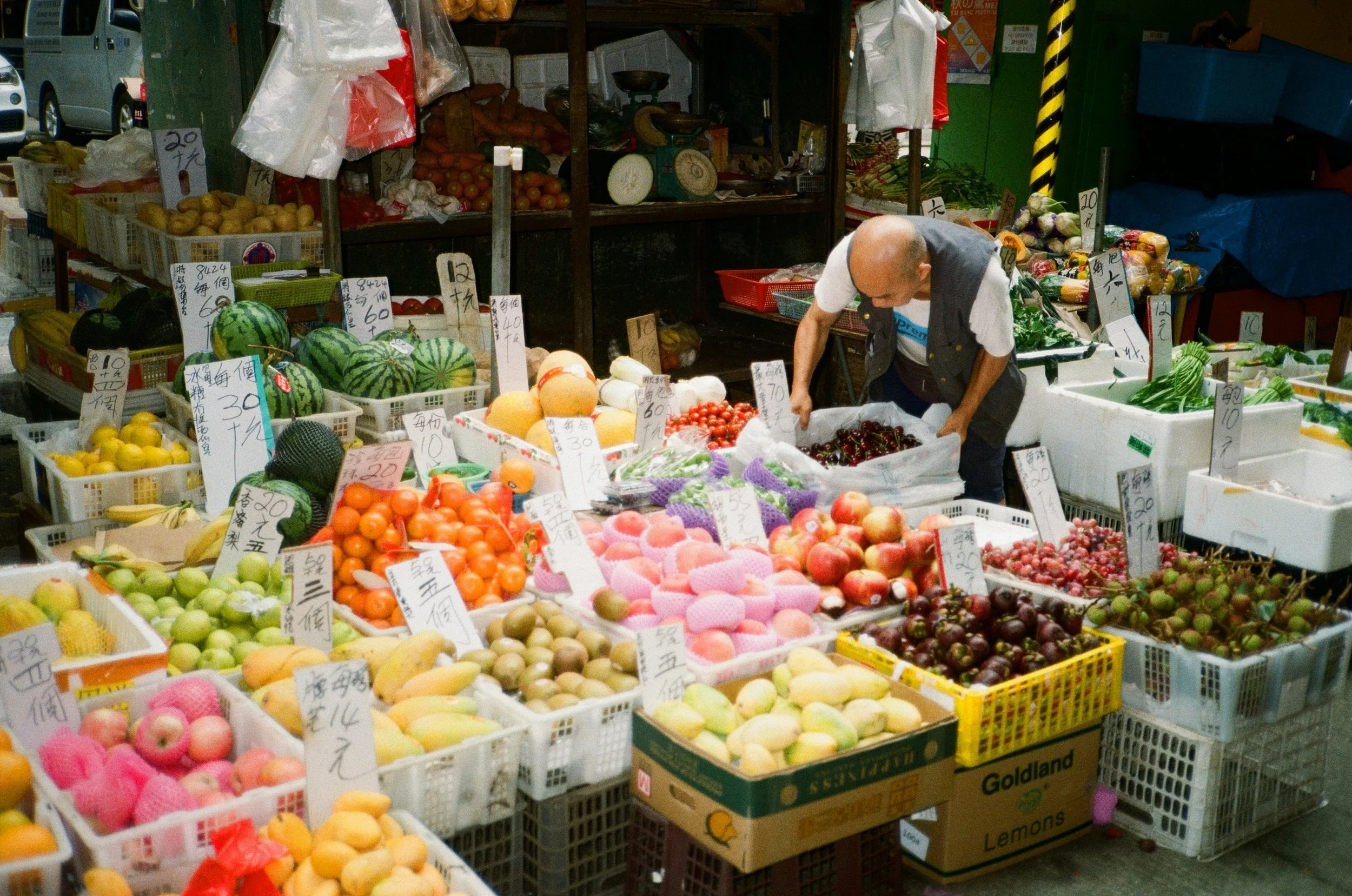
The Carbon Footprint of Food: What Your Diet Really Costs
Food is responsible for 34% of global greenhouse gas emissions. That's more than all passenger transport combined — every car, train, and plane — and it's a figure most people dramatically underestimate.
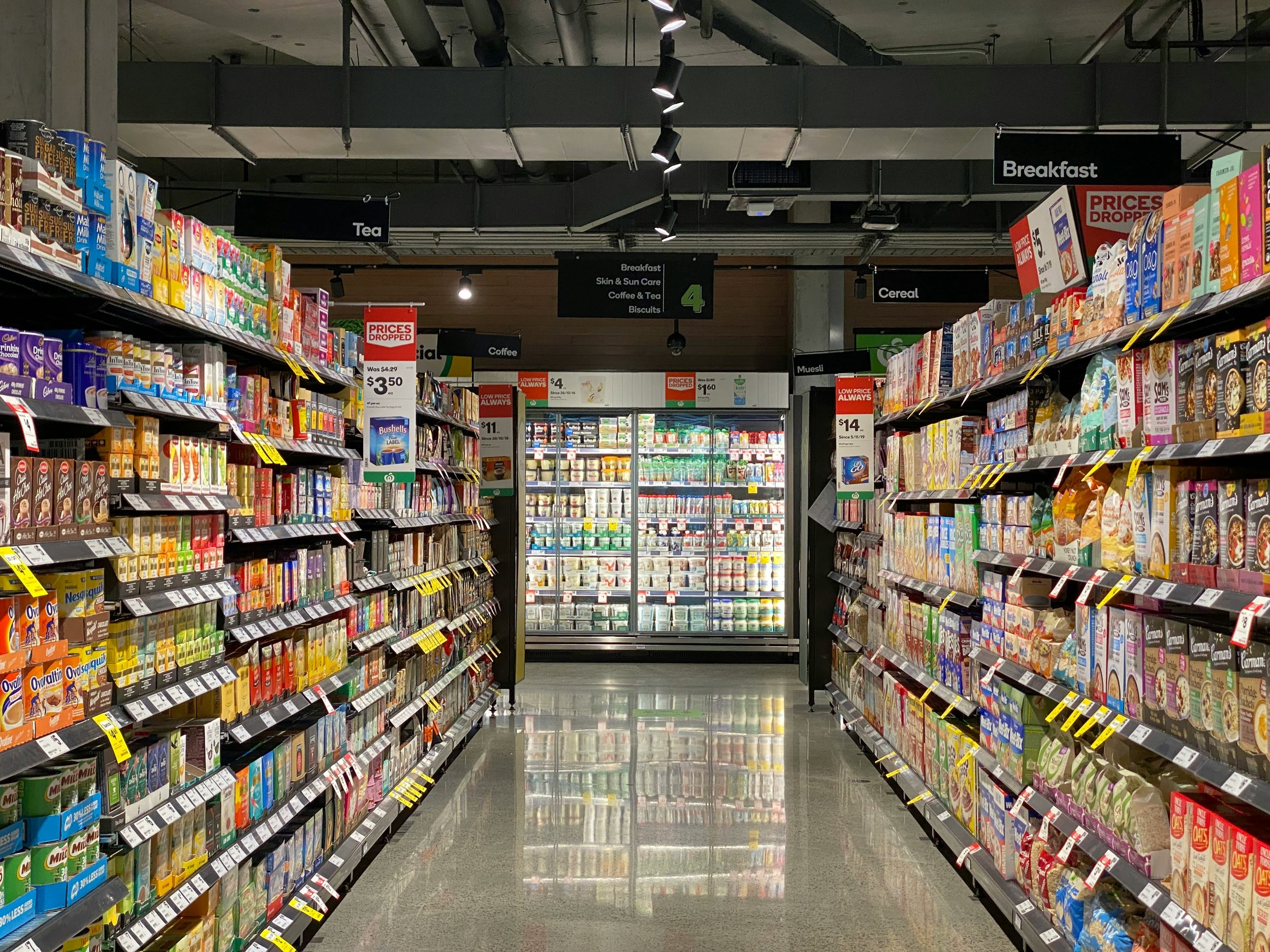
Best Before, Use By, Sell By: What Do Food Date Labels Actually Mean?
Here is a finding that should change how you shop: in Hong Kong, a YouGov poll found that 25% of residents either believe food is unsafe after its "Best Before" date — or aren't sure. That means roughly one in four people in this city is routinely throwing away perfectly edible food based on a label that has nothing to do with safety.
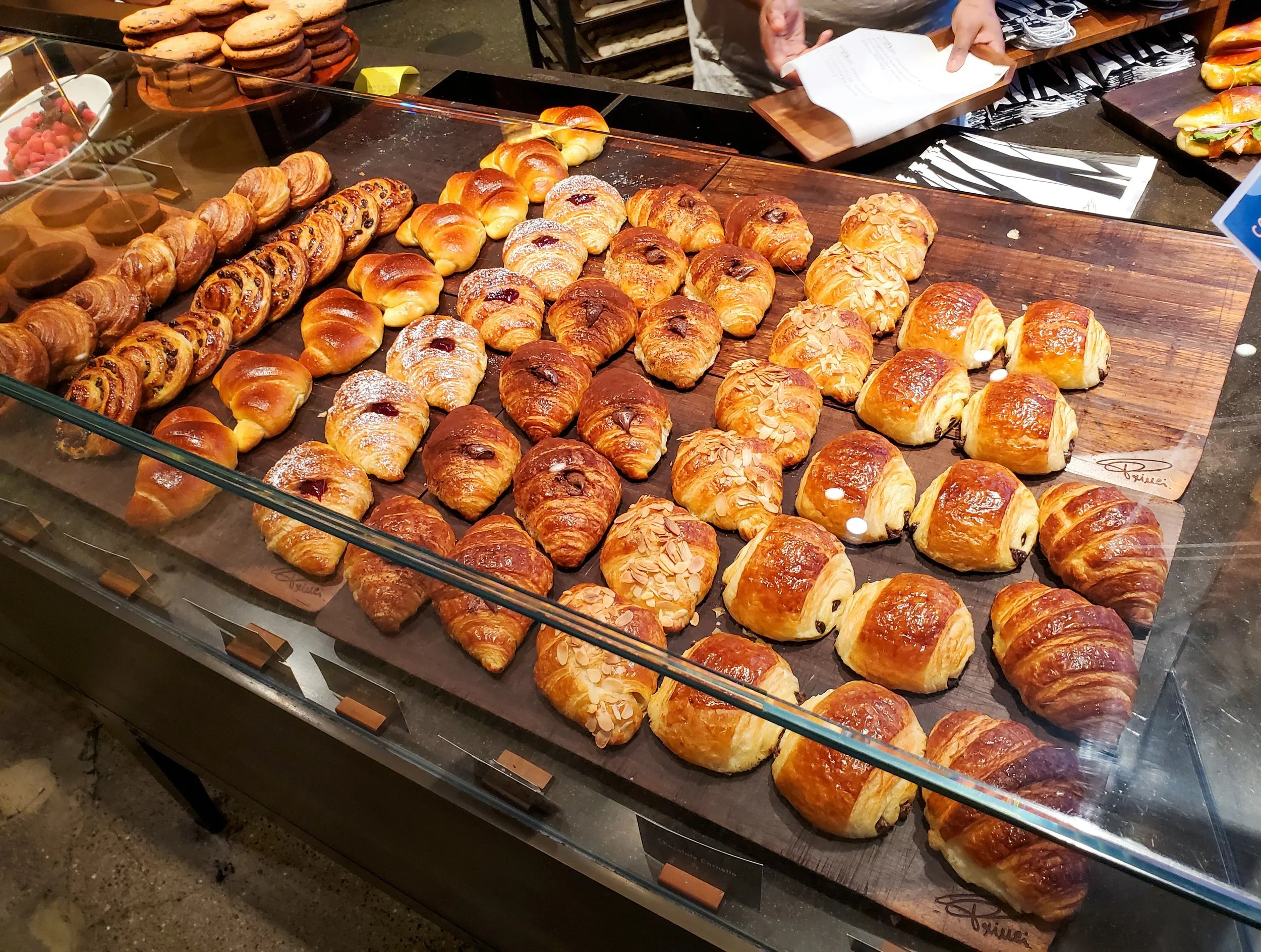
Surplus Food, Explained: Why "Leftover" Doesn't Mean "Less"
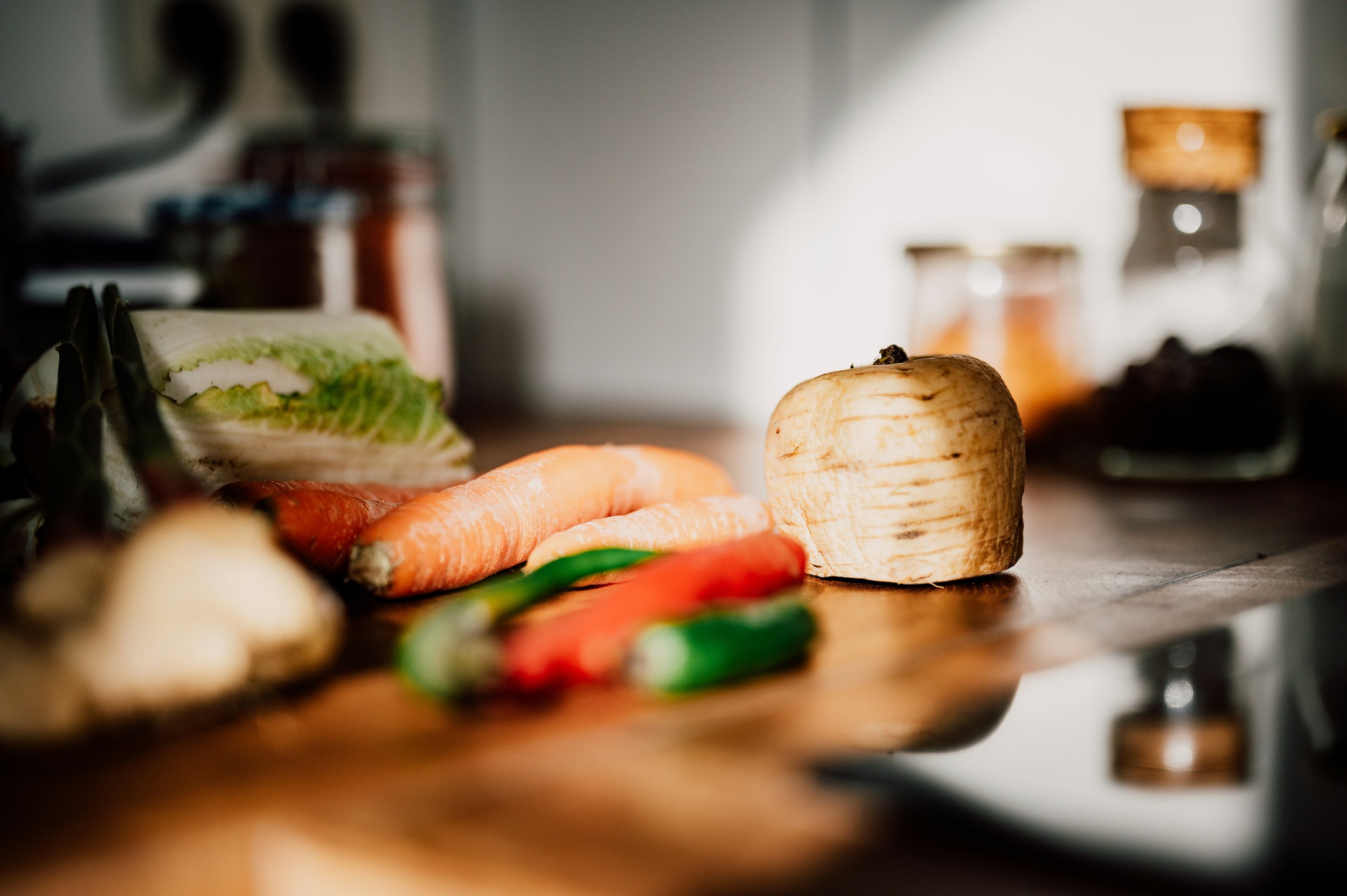
The word "leftover" does a lot of damage. It suggests something tired, picked-over, second-tier. The half-eaten plate. The thing nobody wanted.
That's not what surplus food is.
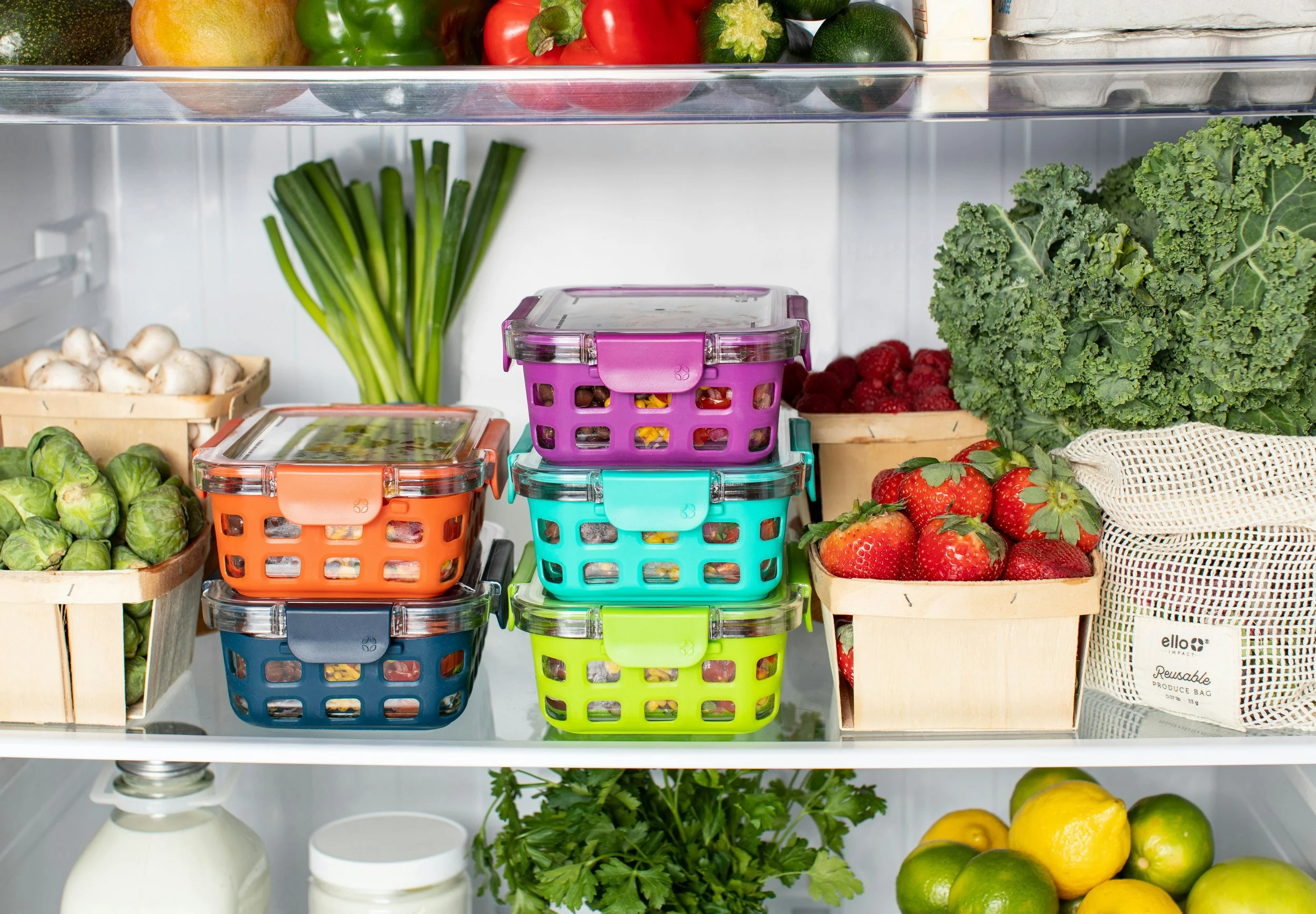
12 Simple Ways to Reduce Food Waste at Home (That Actually Stick)
Here's an uncomfortable fact: the average household throws out roughly a third of the food it buys. In Hong Kong, that works out to around 71 kilograms per person per year — and roughly HK$1,700 of food, dollar for dollar, ending up in the bin.
The good news is that most household food waste is driven by a small number of fixable habits. You don't need a composter, a vacuum sealer, or a degree in sustainability. You need twelve small changes, and they'll save you money the same week you start.
The Hidden Cost of Hong Kong's Food Waste (And What We're Doing About It)
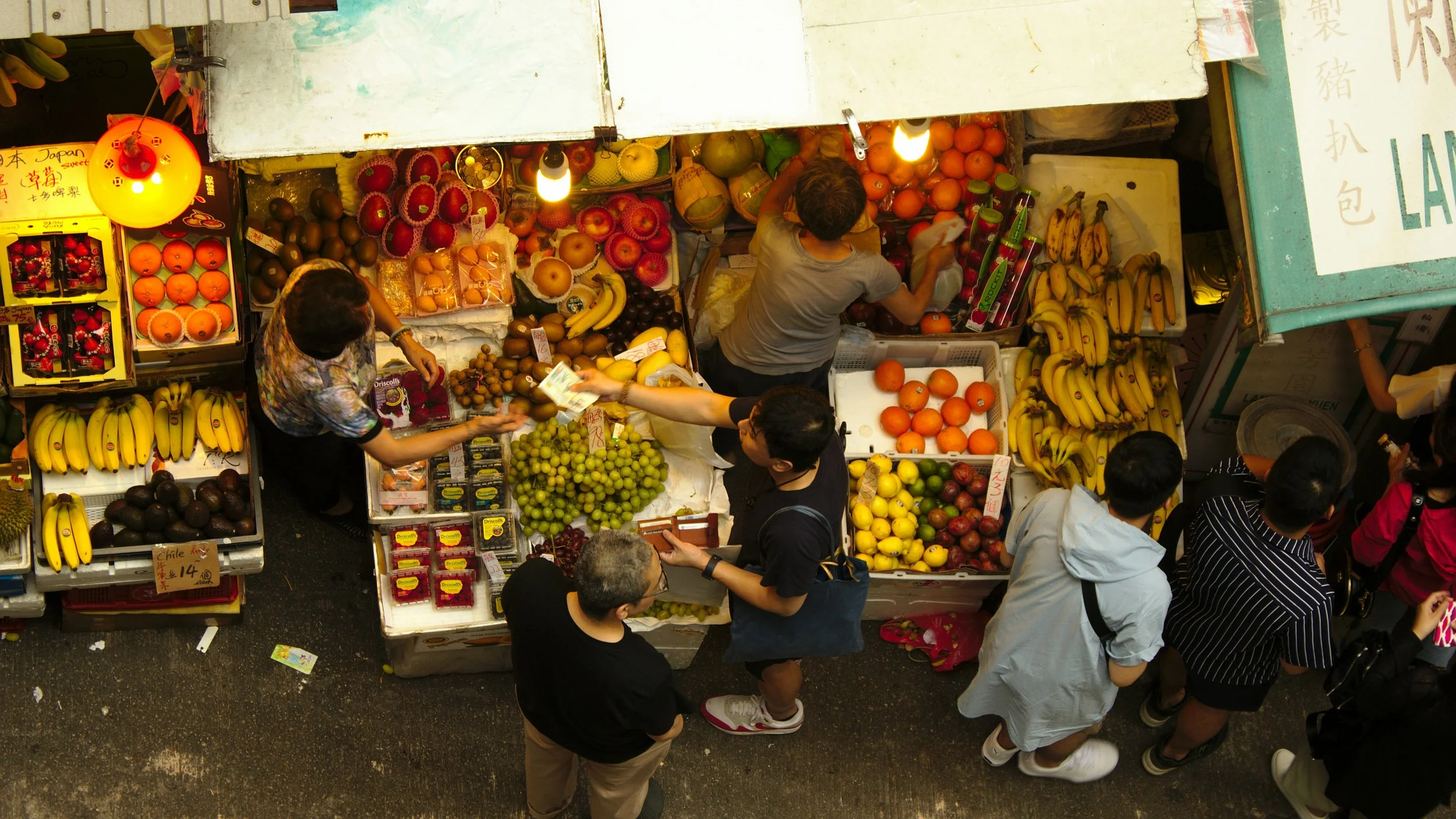
Every single day in Hong Kong, about 3,300 tonnes of food ends up in landfill. That's the weight of more than 200 double-decker buses. It's also the largest single category of municipal solid waste the city produces — more than plastic, more than paper, more than glass.