
Explore tips, tricks and hacks to a more sustainable world.

The Best Zero-Waste Cafes in Hong Kong (2026 Guide)
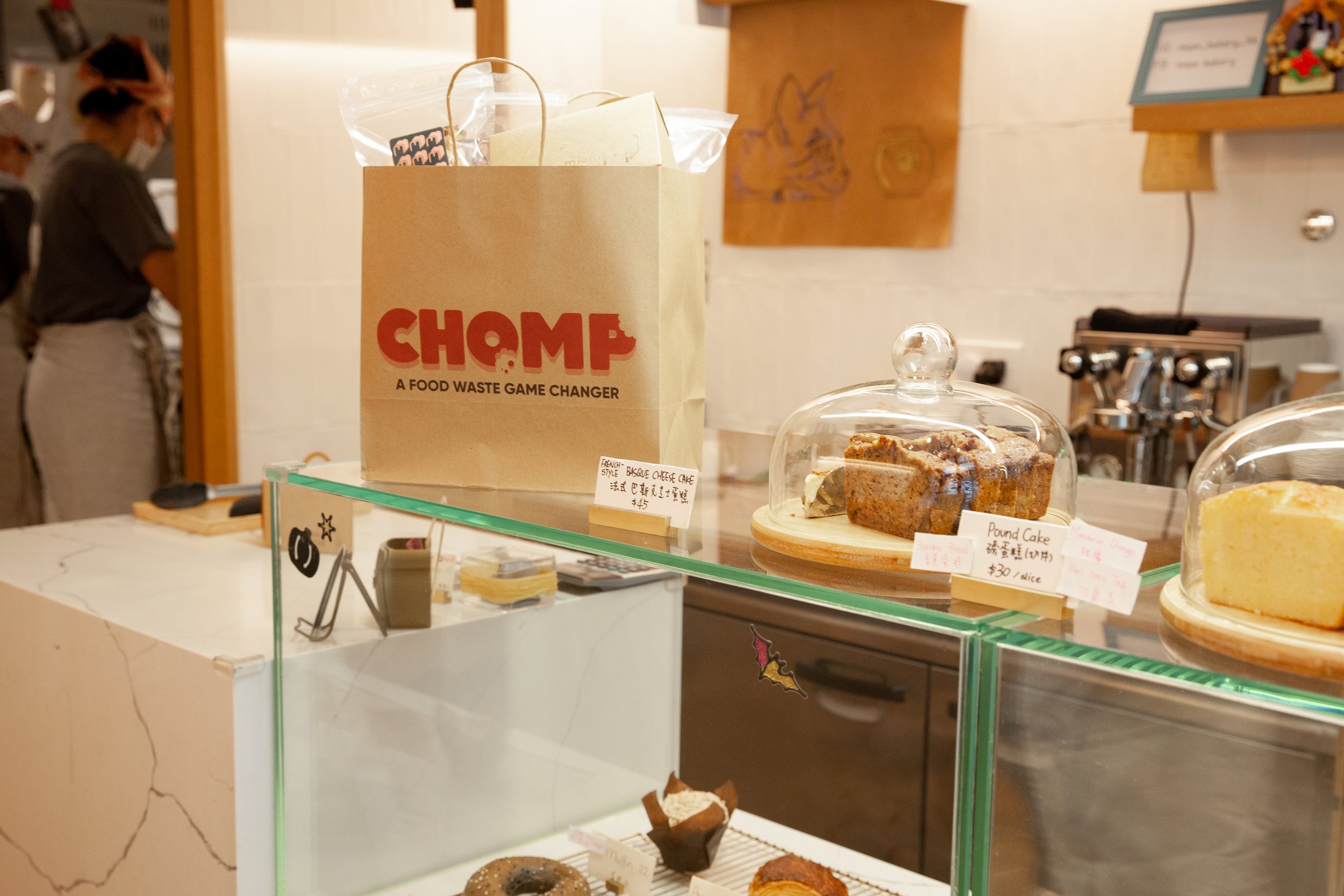
Hong Kong's cafe scene is crowded. What's not crowded is the subset of cafes doing real sustainability work - composting food scraps, eliminating single-use plastic, sourcing from local farms, and designing menus around ingredients that might otherwise go to waste.
This guide covers the venues that have earned the "zero-waste" or "sustainable cafe" label by actual practice, not just aesthetic. If you're tired of greenwashing, this is where to spend your coffee budget.
Zero-Waste Cooking: 10 Tips to Waste Nothing in Your Kitchen
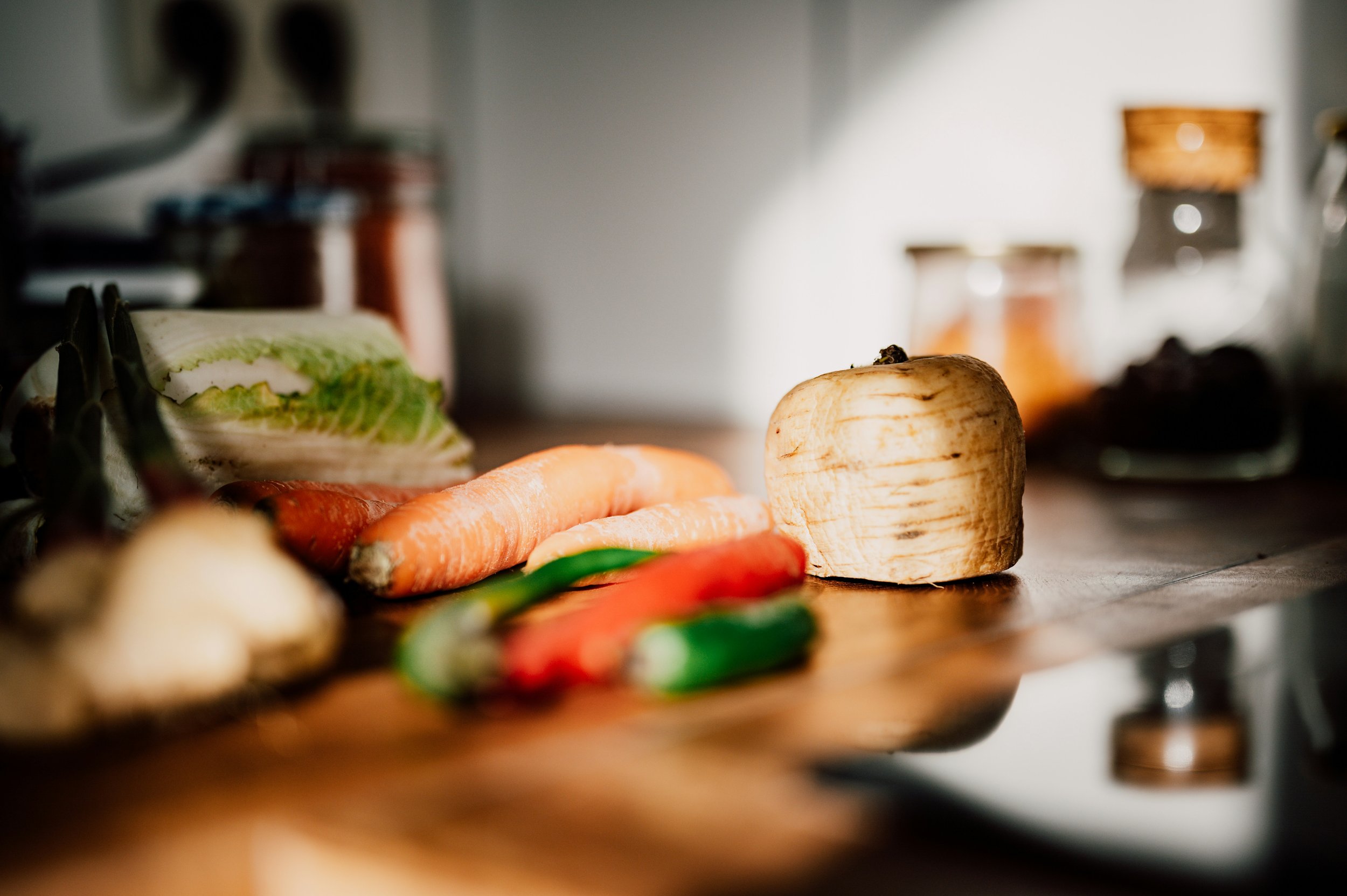
The average Hongkonger throws away 71 kg of household food waste every year - the weight of a full-grown adult. Multiply that across 7.7 million people, and more than 3,600 tonnes of food heads to landfill or the incinerator every single day. About 68% of all food waste in Hong Kong originates not from restaurants, but from home kitchens: uneaten meals, forgotten leftovers, produce that wilted before it got cooked.
Low-Waste Grocery Shopping: A Practical Guide for Hong Kong
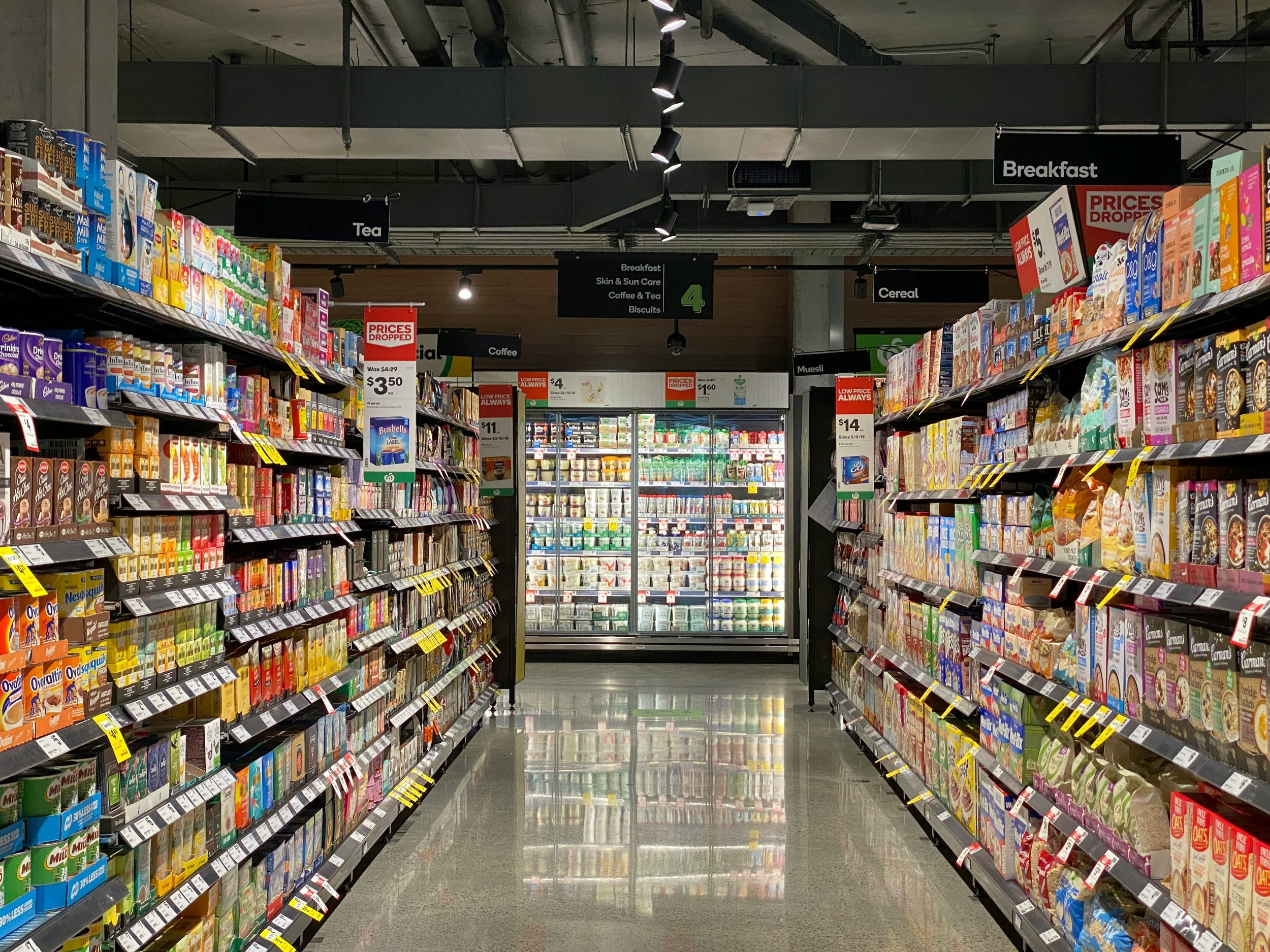
Most food waste is decided before you put anything in the pan. It happens in the supermarket aisle — when you buy more than you need, overbuy in bulk because the deal looks good, or pick up something on impulse that then spends two weeks wilting at the back of the fridge.
Best Before, Use By, Sell By: What Do Food Date Labels Actually Mean?
Here is a finding that should change how you shop: in Hong Kong, a YouGov poll found that 25% of residents either believe food is unsafe after its "Best Before" date — or aren't sure. That means roughly one in four people in this city is routinely throwing away perfectly edible food based on a label that has nothing to do with safety.
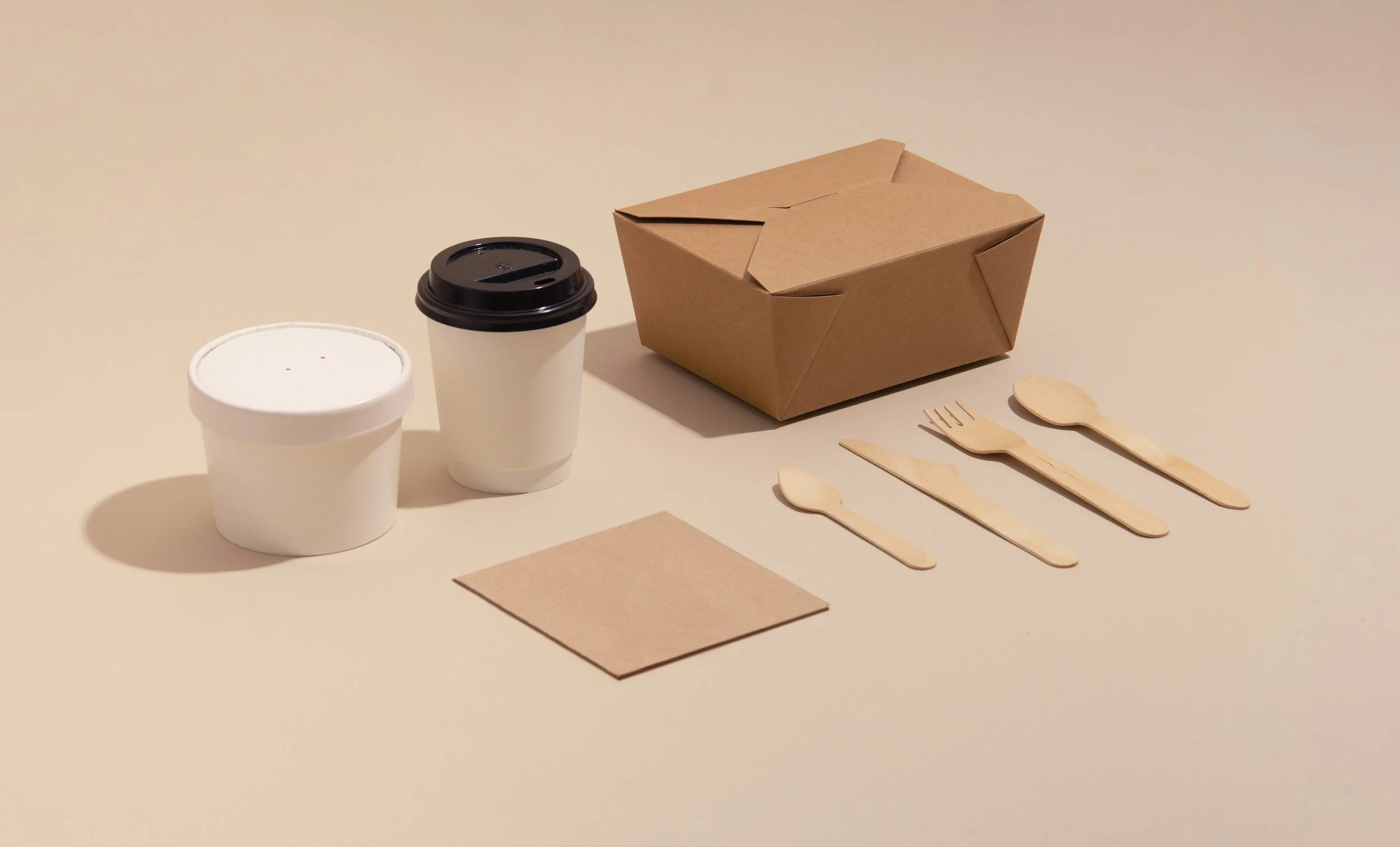
Compostable Food Packaging: What Actually Works (and What Doesn't)
This is a practical guide to picking compostable food packaging that does what it says — without paying premium prices for greenwashed alternatives or building a sustainability story on materials that fail in practice.
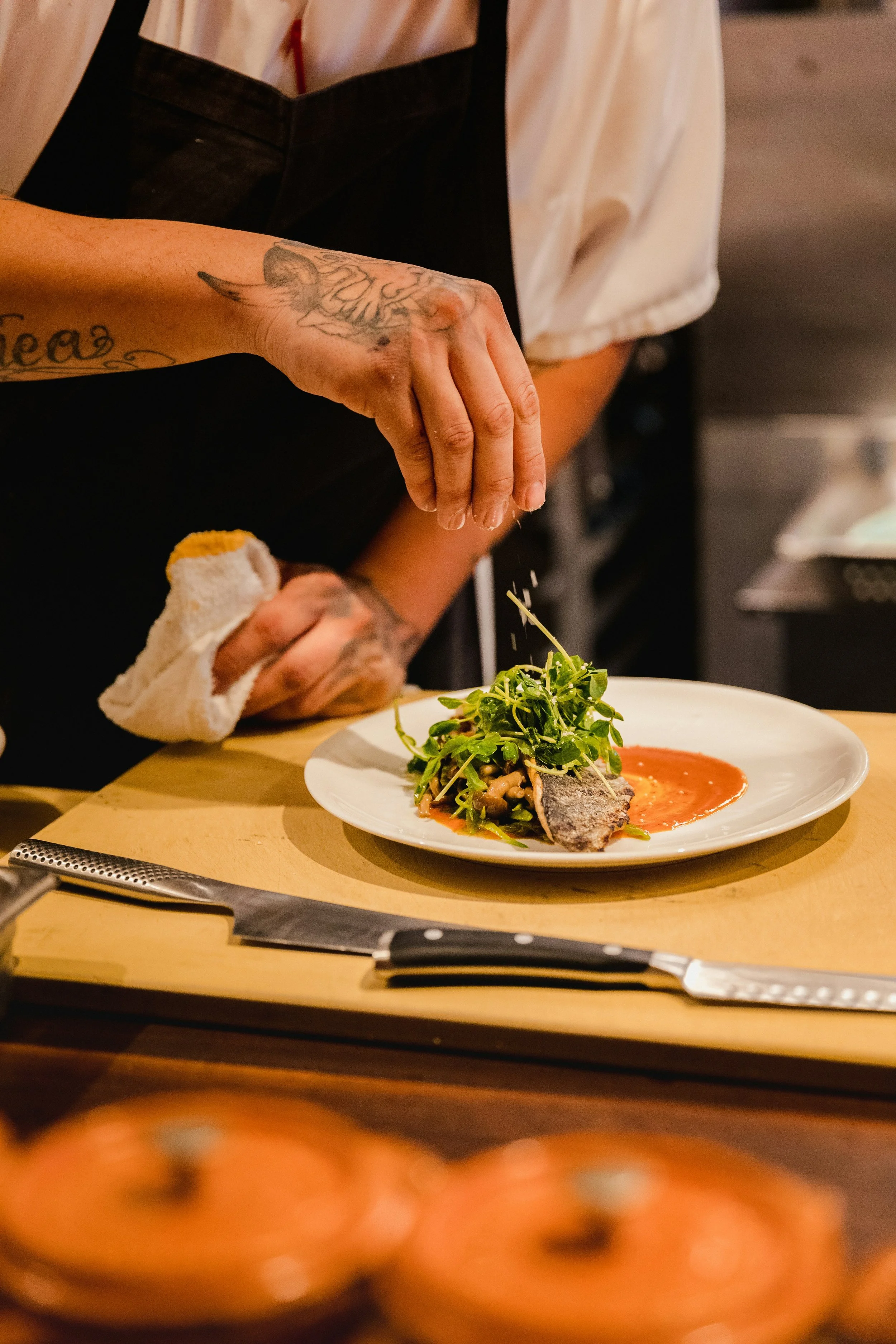
How to Run a Zero-Waste Restaurant: A Playbook for HK Operators
If you run a restaurant in Hong Kong in 2026, sustainability has moved from optional to operational. Sixty-three percent of HK diners actively seek out sustainable food options. Forty-seven percent prioritise organic. Mandatory MSW waste charging has been deferred but remains on the policy roadmap. And the operators who got serious about waste reduction over the past three years are the ones reporting both lower disposal costs and higher customer loyalty.

What Is Upcycled Food? The 2026 Trend Already on Your Plate
Of all the sustainability trends crowding the F&B headlines in 2026, upcycled food is the one quietly winning. Per Tastewise's trend tracking, it's the fastest-growing category in zero-waste food — and unlike a lot of buzzwords, it has a clean, useful definition and a real climate case behind it.
Here's what it is, why it works, and what's actually worth trying.
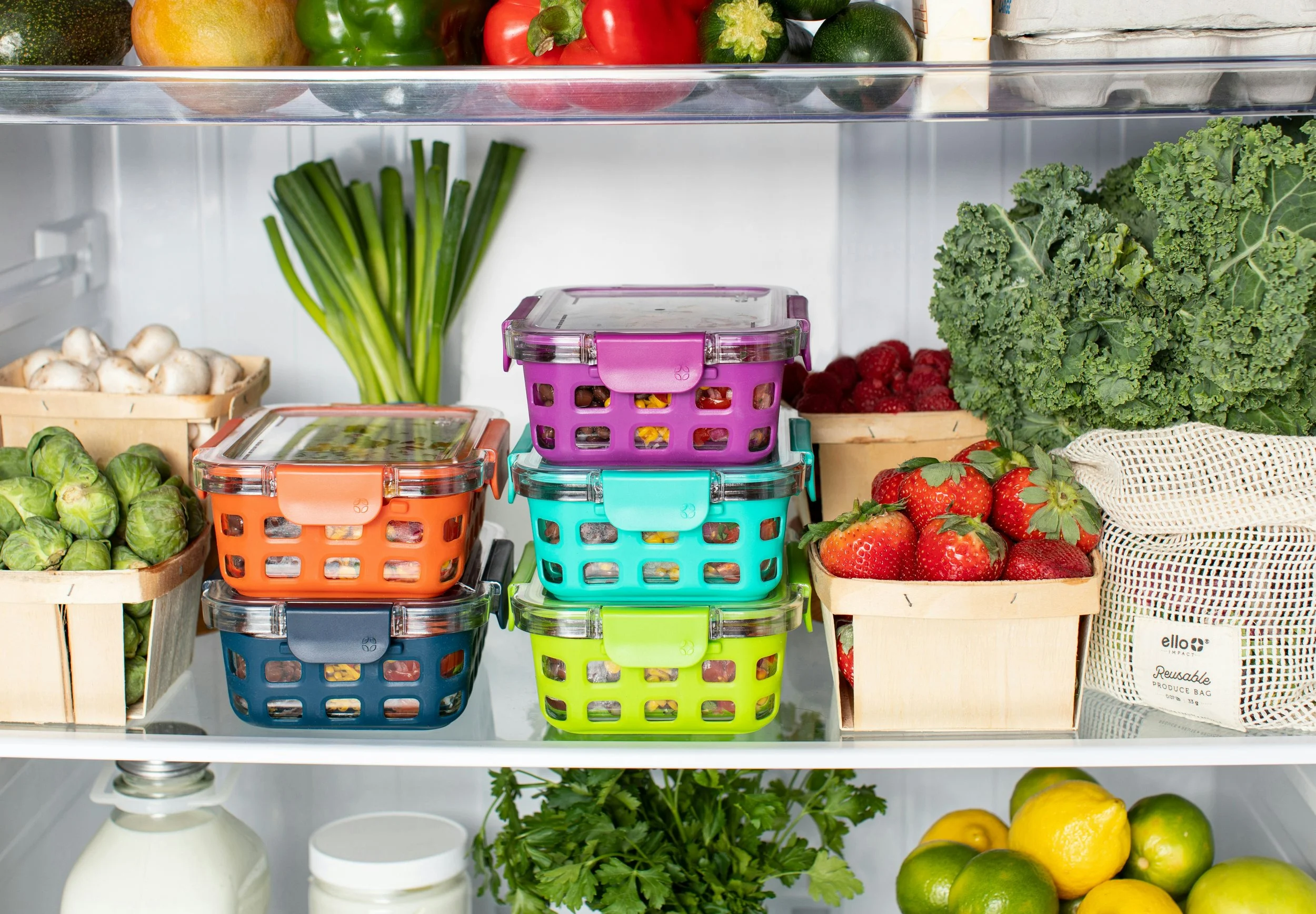
12 Simple Ways to Reduce Food Waste at Home (That Actually Stick)
Here's an uncomfortable fact: the average household throws out roughly a third of the food it buys. In Hong Kong, that works out to around 71 kilograms per person per year — and roughly HK$1,700 of food, dollar for dollar, ending up in the bin.
The good news is that most household food waste is driven by a small number of fixable habits. You don't need a composter, a vacuum sealer, or a degree in sustainability. You need twelve small changes, and they'll save you money the same week you start.
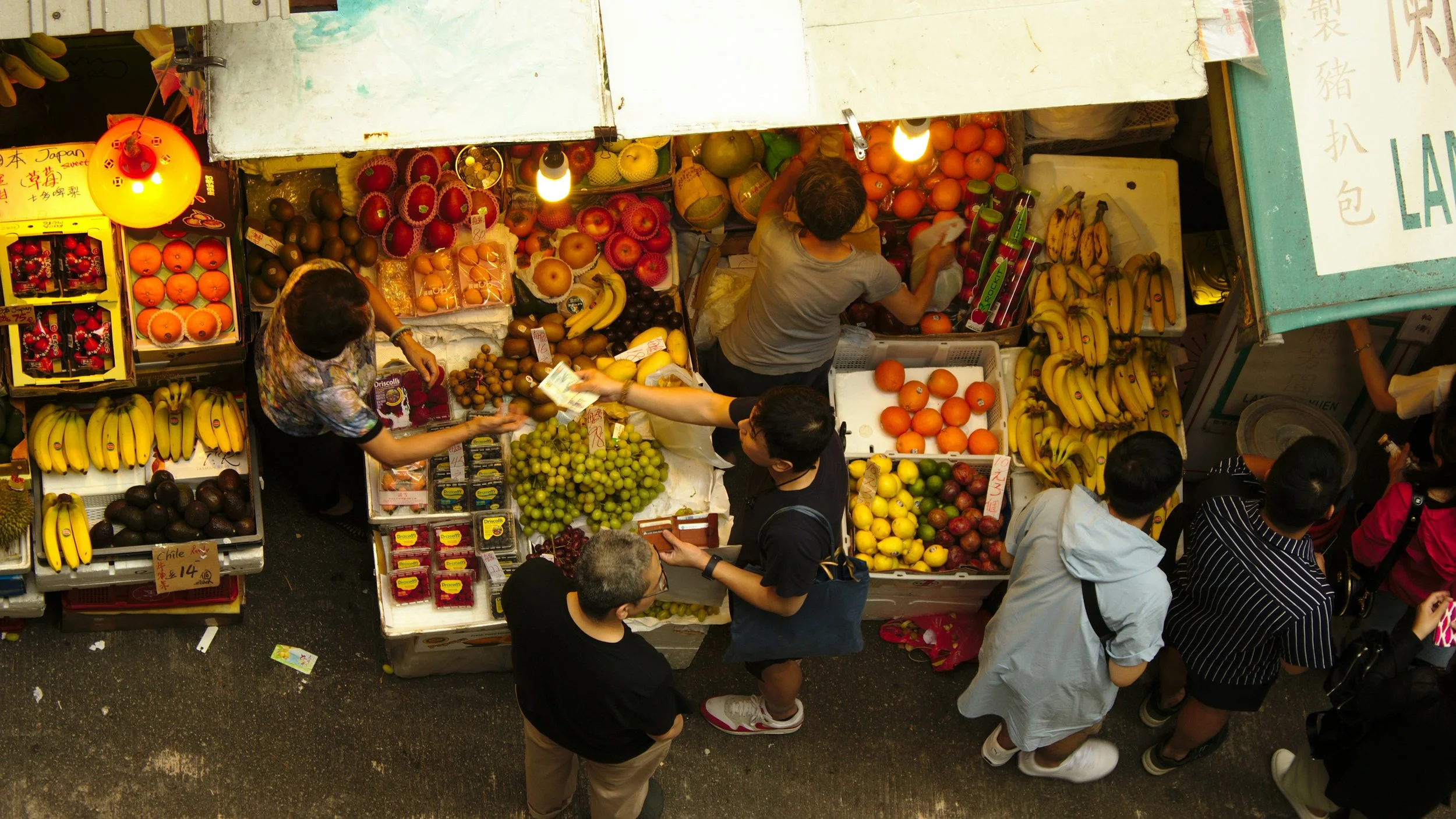
The Hidden Cost of Hong Kong's Food Waste (And What We're Doing About It)
Every single day in Hong Kong, about 3,300 tonnes of food ends up in landfill. That's the weight of more than 200 double-decker buses. It's also the largest single category of municipal solid waste the city produces — more than plastic, more than paper, more than glass.